
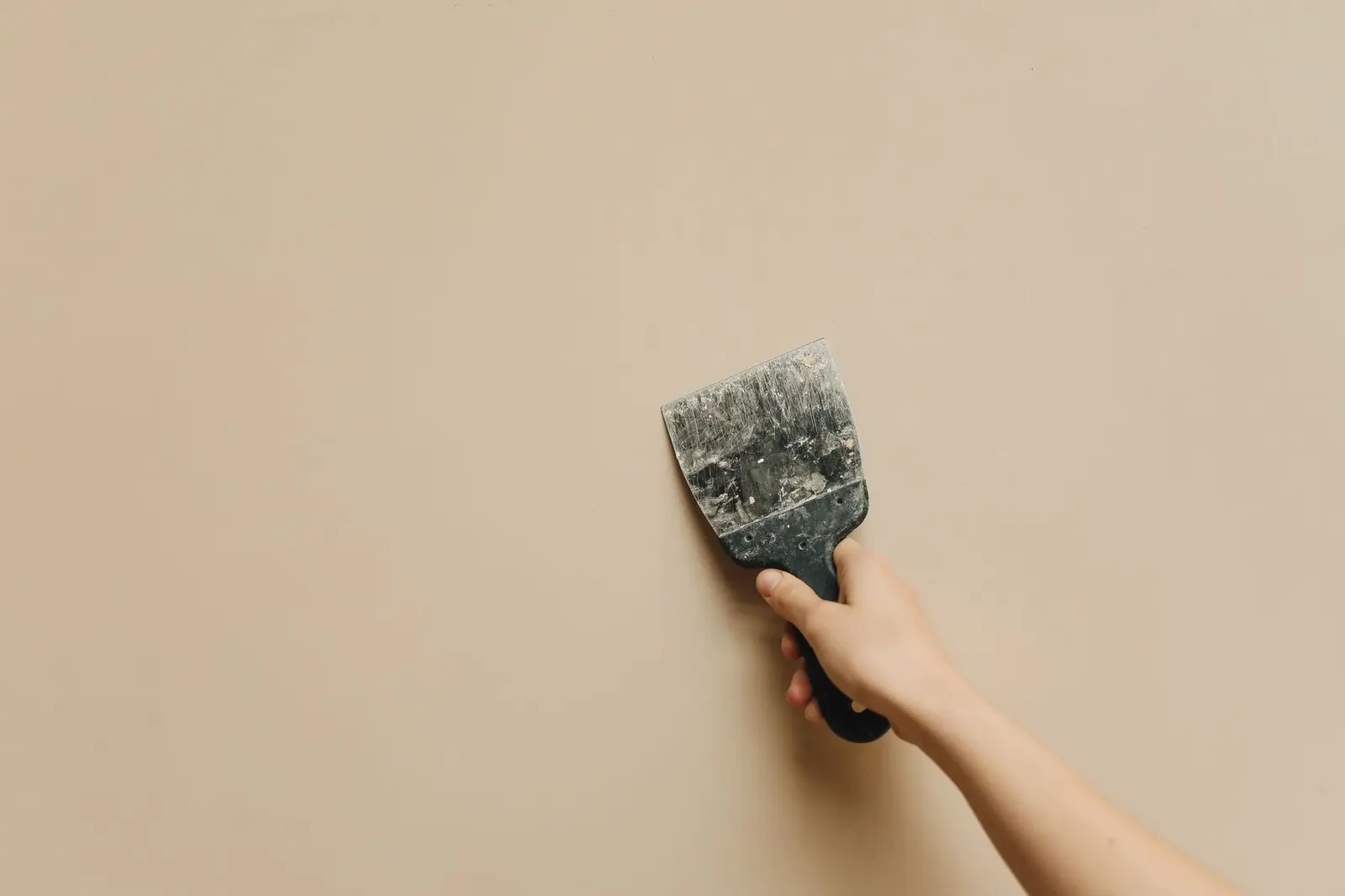
Spackling in Lindenwold, NJ
Nail holes, dings, scuffs and hairline cracks filled and sanded flush, so a fresh coat of paint goes on over a clean, flat wall.
- Nail holes & dings
- Hairline cracks
- Move-out touch-ups
Spackling is the small-repair end of drywall work. It is what you reach for when a wall has a scatter of nail holes from hung pictures, a ding from a chair, a scuff where a door handle hit, or a hairline crack that you can see but could not fit a coin into. These are not jobs that need new board. They need a clean fill and a smooth surface.
The difference between spackle and the joint compound used for bigger repairs is mostly weight and speed. Spackle is lightweight, dries quickly and sands easily, which makes it ideal for small defects. It shrinks as it dries though, so deeper holes need a second pass, and anything larger than a nickel is better handled as a drywall patch.
Many of the calls for this kind of work come from move-outs, repaint jobs and the days before a house is listed or an apartment is turned over, when dozens of tiny blemishes have to disappear before paint.
When spackling is what you need
- Rows of small holes where pictures, shelves or curtain rods were taken down
- Shallow dents and dings from furniture, doors and moving day
- Hairline cracks near door frames and in corners that have not moved in years
- Anchor or screw holes left by a removed television mount or wall hook
- A wall that has to be repainted and the old paint shows every flaw
- A rental unit or home being prepared for new tenants or a sale
What affects the cost of spackling
Small repairs add up in time rather than materials. The price is driven by:
- How many holes, dings and cracks there are to fill across the rooms
- The condition of the wall, since flaking paint or damaged surfaces need more prep
- Whether larger defects need real drywall patching instead of spackle
- The height of the work, with ceilings and stairwells taking longer
- Whether priming and painting the repaired walls is included in the quote
- Access and furniture that has to be moved or covered first
How spackling is done
Scrape loose material and clean
Flaking paint, crumbs of old filler and any raised edge are removed so the new spackle bonds to something solid.
Press in the fill
Spackle is worked into the hole or crack with a flexible knife and slightly overfilled, since it shrinks as it dries.
Let it dry, then add a second pass if needed
Deeper holes get a second thin application after the first has dried and settled, rather than one thick blob that cracks.
Sand flush
A fine sanding sponge takes the patch down until it is level with the wall and cannot be felt by hand.
Spot-prime before paint
The filled spots are primed so they soak up paint the same way as the rest of the wall. Skipping this is why patches show as dull spots through new paint.
Why GS Drywall LLC for spackling
Anyone can dab spackle on a hole. The skill is knowing how much to leave, how long to wait and when a defect is bigger than spackle can hold. We handle the small fixes and flag the ones that need a real repair.
It also helps to have a drywall crew do the spackling, because the sanding and priming steps are the same ones used on larger work. Your walls end up ready for paint, not just filled.
We spackle and prep walls for paint in Lindenwold and nearby, including Lindenwold, NJ and Berlin, NJ.
Spackling questions, answered
What is the difference between spackle and joint compound?
Spackle is lighter, dries faster and is meant for small holes and dings. Joint compound is used for taping seams and larger patches, and it is cheaper and stronger for those jobs.
Why can I still see the spot through my new paint?
The filled area was likely not primed or was left slightly raised, so it takes paint differently. Light sanding and a spot of primer before repainting normally fixes it.
How big a hole can spackle fix?
Spackle works well on nail holes, small dings and shallow gouges. Anything wider than about the size of a coin should be handled as a drywall patch.
How soon can I paint after spackling?
Once the filler is completely dry and sanded, which can be the same day for tiny holes or longer for deeper fills. Painting too soon causes flashing and cracking.
Can you spackle and paint in one visit?
For small jobs we can spackle, prime and paint the repaired walls, which is within the small-scale painting we take on. We will tell you how many visits drying will need.
Related services
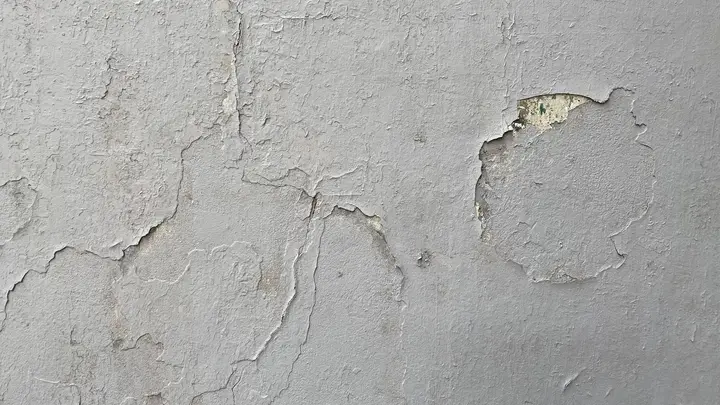
Drywall Repair
Holes, cracks, water stains and failed patches made smooth again.
Learn more →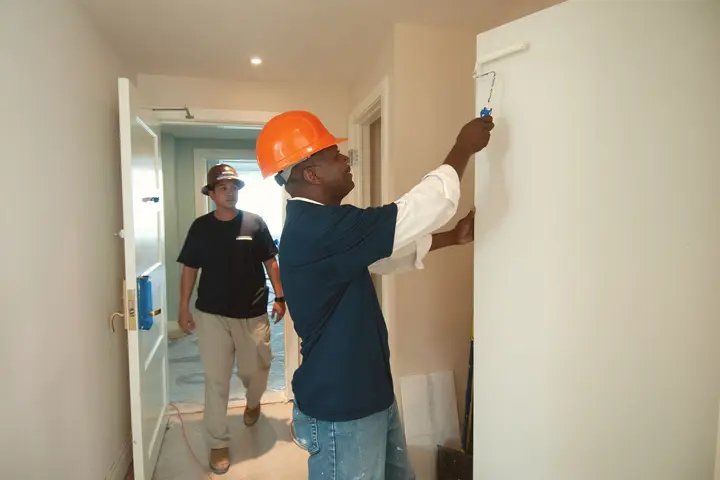
Interior Painting (Small Jobs)
Single rooms, patched walls and touch-ups, painted after the repair is done.
Learn more →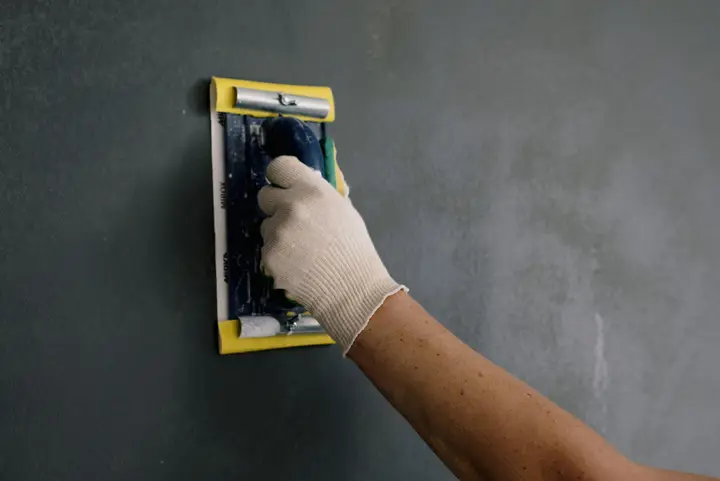
Drywall Taping & Finishing
Tape, joint compound and sanding that make seams disappear.
Learn more →Walls need a cleanup before paint?
Prefer to talk? Call or text and ask for a free quote. Se habla español.