
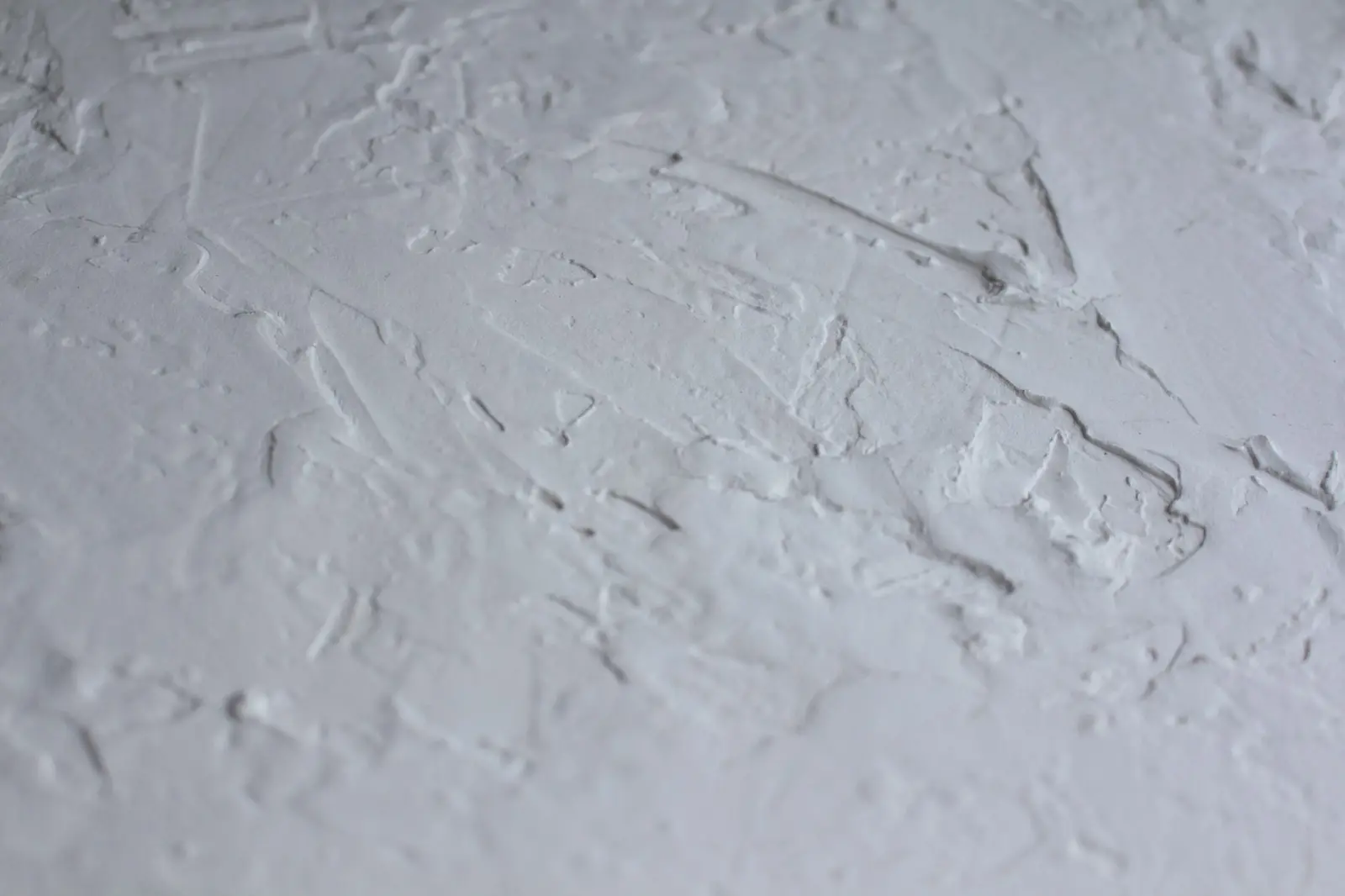
Drywall Texture in Lindenwold, NJ
Knockdown, orange peel and skip trowel applied evenly, or matched to the wall you already have so a repair does not stand out.
- Knockdown & orange peel
- Texture matching
- Even coverage
Texture is the surface pattern on a finished wall or ceiling, and it does two jobs. It hides small imperfections in the board and finishing, and it gives rooms a particular look. The trouble starts when part of a wall has to be repaired: a smooth patch in the middle of a textured wall is easy to spot from across the room.
Drywall texture work covers both sides of that problem. For new walls we apply texture evenly so the pattern looks consistent in the corners and edges. For repairs we match the texture that is already there, which is more of a craft than it sounds, because every texture is different in the size of its peaks, the spacing and the way it was knocked down.
We do not guess. Before the full area is textured we put a small test on a patch so you can compare it with the surrounding wall in daylight, and we adjust the mix or the technique until it blends.
When texture work comes up
- A repaired patch looks smooth against a textured wall and stands out
- New drywall was added and needs texture to match the rest of the room
- A ceiling shows trowel marks or an uneven pattern from an earlier job
- You want to cover minor wall flaws without a full skim coat
- A room is being redone and you would rather change the old pattern for a new one
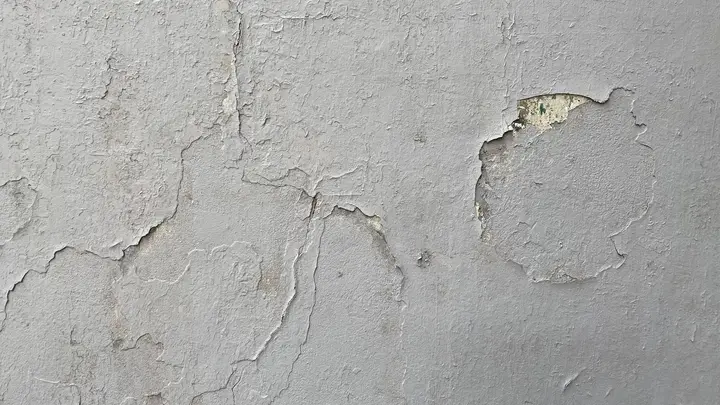
- Water damage was repaired and the texture on that section is missing
What affects the cost of drywall texture
Texture looks simple, but the cost depends on how hard it is to get right:
- The area covered, from a single patch to a whole ceiling
- The type of texture, since hand-applied patterns take longer than sprayed ones
- How well the new texture has to match an existing one, which can take a few test patches
- Masking and protection of floors, furniture and trim around the work area
- Whether the surface is being repaired first or is already smooth and ready
- Priming and painting after the texture, if you want them included
How drywall texture is applied
Identify the existing texture
We look at the pattern closely in raking light to see whether it is orange peel, knockdown, skip trowel or something older, and how heavy it is.
Prep and prime the surface
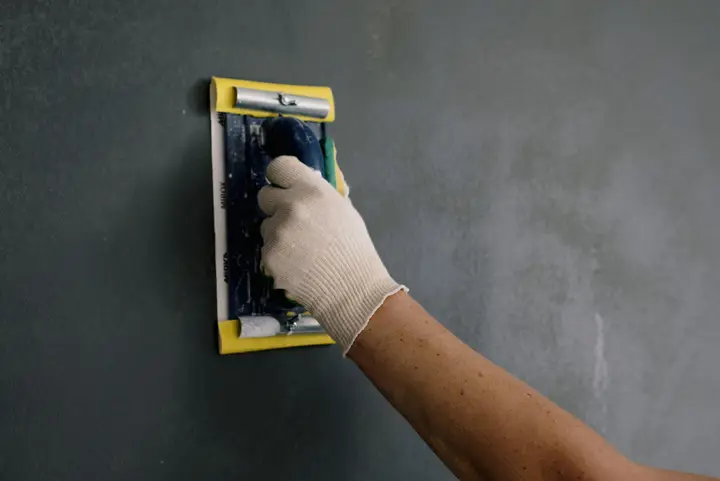
New compound and bare board take texture unevenly, so the area is sanded smooth and primed before anything is applied.
Mix and test a sample
The compound is thinned or thickened to match the target pattern, and a small test patch is made to confirm it looks right once dry.
Apply by spray, roller or trowel
Orange peel is usually sprayed; knockdown is sprayed and then flattened with a knife; skip trowel is done by hand. Edges are feathered so the repair has no visible border.
Let it dry, then prime and paint
Texture needs time to dry before it is primed and painted, and painting finishes the job by unifying the color across the new and old surface.
Why GS Drywall LLC for drywall texture
Matching texture is mostly about restraint. The patch should disappear, not announce itself, so we start thin and build up rather than throwing on material and hoping.
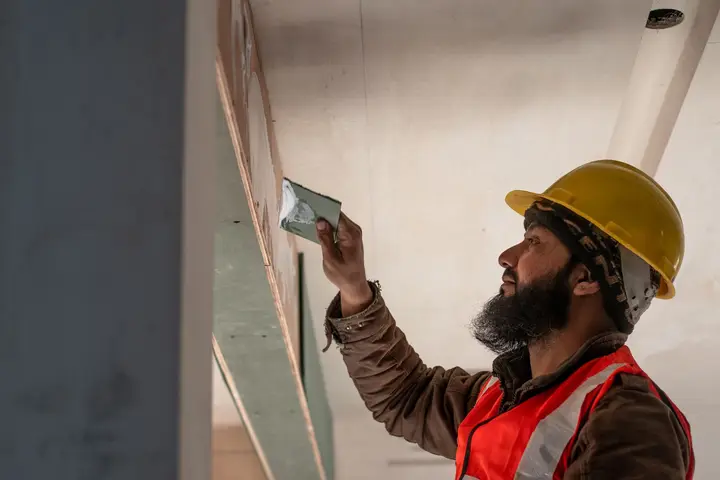
Because we do the repair, the finishing and the texture together, we are not handing the wall to another trade halfway through. That keeps the surface consistent from the first coat to the last.
We texture walls and ceilings in Lindenwold and nearby homes, including Clementon, NJ and Blackwood, NJ.
Drywall Texture questions, answered
Can you match my existing texture exactly?
We get it as close as the pattern allows and show you a test before the full area. Heavy or hand-applied textures take more attempts, and an unusual older pattern may only blend rather than match perfectly.
What is the difference between orange peel and knockdown?
Orange peel is a fine, even bumpy surface that looks like the skin of an orange. Knockdown has larger splatter that is flattened with a knife, leaving a blotchy, flatter pattern.
Does texture have to be painted?
Yes. Texture compound is primed and painted like any other drywall surface, and painting is what unifies the old and new areas.
Can texture hide bad drywall finishing?
It can mask minor flaws, but it is not a substitute for proper taping and sanding. A poor finish under heavy texture can still show as lumps and shadows.
Can a textured ceiling be made smooth?
Yes, but it takes more work than adding texture: the old pattern has to be removed or skimmed flat. We look at the ceiling first, because older textures may need testing before anything is scraped.
Related services
Need texture matched or applied?
Prefer to talk? Call or text and ask for a free quote. Se habla español.