
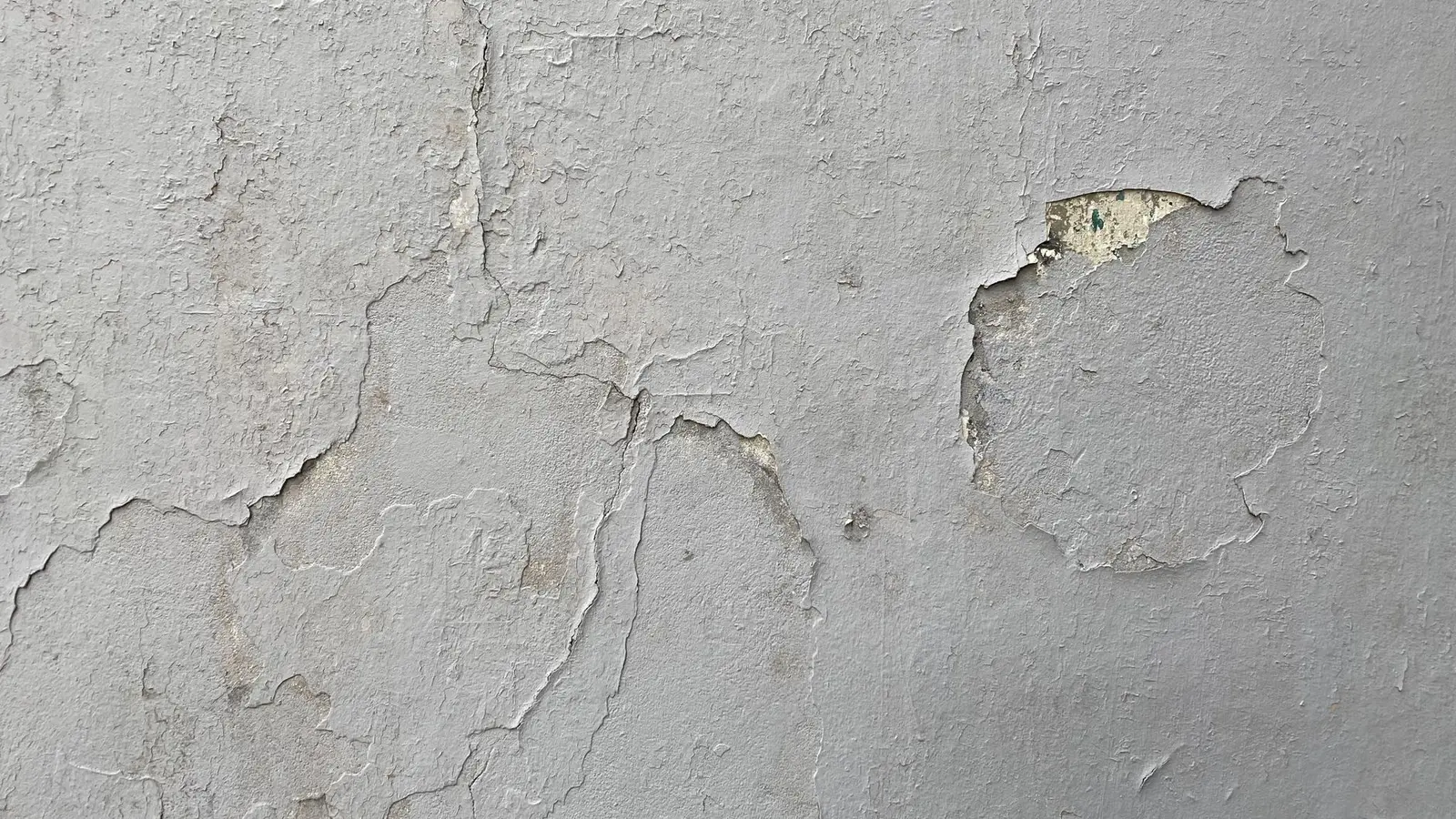
Drywall Repair in Lindenwold, NJ
Holes, cracks, water stains and patches that keep showing through the paint, repaired until the wall looks like nothing ever happened to it.
- Holes & cracks
- Water damage
- Paint-ready finish
Most drywall damage is small when it happens and annoying for years afterward. A doorknob goes through the wall behind a bedroom door, a seam cracks above a window, a nail pops out and leaves a bump under the paint. The wall still stands, but you notice the flaw every time the light hits it.
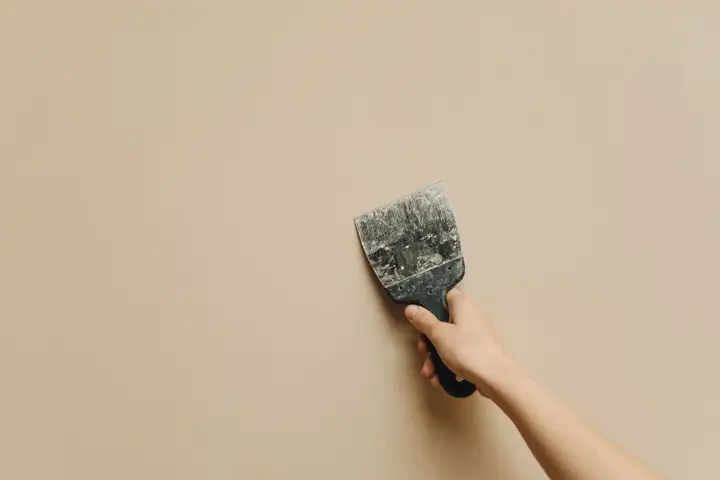
Drywall repair is the work of making that flaw disappear. It is mostly patience: cutting the damage back to solid board, filling the opening so the patch sits flat, burying the edges in thin coats of joint compound and sanding until the transition cannot be felt with a fingertip. Done well, nobody can tell where the repair was.
Jose Serrano has spent 11 years working with board and compound, and repair work is where that experience shows most. A patch that looks fine in the afternoon can show a shadow at night under a lamp, so we check our work the way a visitor would see it.
Signs your drywall needs repair
- A hole from a doorknob, a piece of furniture or a removed shelf or television mount
- A crack that runs along a seam or climbs from the corner of a window or door
- Raised round bumps or small circles where nails or screws are working loose
- Tape that has lifted and curled at a joint, usually in a hallway or stairwell
- A bubbling, soft or stained area on a wall below a bathroom, kitchen or roof line
- An old patch that now shows as a flat or shiny spot through the paint
What affects the cost of drywall repair
A small hole and a stained ceiling section can both be called a repair, but they are not the same job. Price depends on:
- The size and number of damaged areas, since several small patches in one room are cheaper per patch than one visit for each
- Whether the damage reaches the framing or went through the full board
- The cause: water damage can mean wet insulation, mold checks and replacing larger sections
- The wall texture, because matching a heavy texture takes more time than leaving a smooth wall
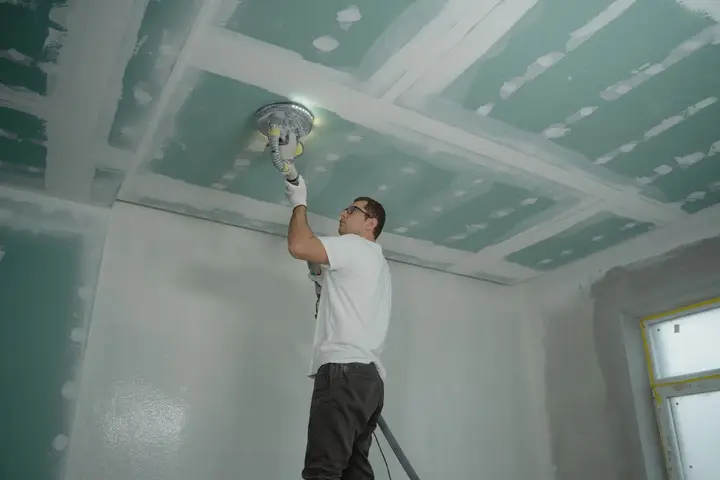
- Ceiling or high-wall work, which needs staging and takes longer
- Whether you want the repaired area primed and painted as part of the visit
How a drywall repair is done
Find the cause first
A crack that keeps returning is usually a framing or humidity problem, and a stain means water. We look for the reason before covering anything, because a patch over an active leak fails.
Cut back to solid board
Crumbled, wet or loose material comes out until we reach firm drywall. Small holes get a backing patch; larger openings get a new piece cut to fit.
Set the patch and tape the edges
The new piece is fastened to the framing or a backer, then the seams are taped so the repair cannot crack along its own edge.
Coat, dry and sand
Joint compound goes on in thin layers, each wider than the last, with drying time and sanding between coats so the repair blends into the wall instead of standing proud of it.
Prime and match the texture
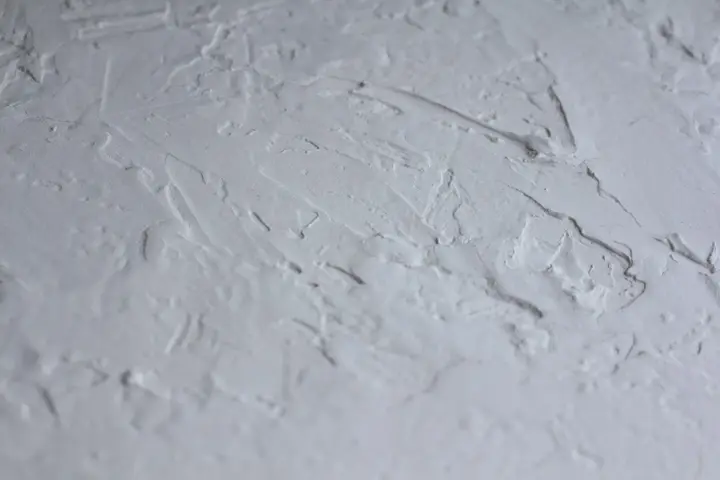
Bare compound soaks up paint differently from the wall around it, so the patch is primed. Where the wall is textured, the texture is matched before paint.
Why GS Drywall LLC for drywall repair
Repair is slower than people expect because every coat has to dry before it can be sanded. A crew that hurries leaves a patch that shrinks, cracks or shows through paint within a month. We would rather make a second visit than leave a patch that is not finished.
We also tell you when the problem is not drywall. If a stain comes from a roof or a pipe, the leak needs fixing by the right trade first, and we will say so instead of covering it for a quick sale.
We repair drywall for homeowners and tenants in Lindenwold and nearby, including Lindenwold, NJ and Clementon, NJ.
Drywall Repair questions, answered
Can you fix a hole from a doorknob?
Yes. Small holes are patched with a backer and compound; larger ones get a new piece of board. Either way the area is taped, coated, sanded and primed so the paint finishes evenly over it.
Why does my old patch show through the paint?
Usually the patch was never primed, so it absorbs paint differently and looks flat or shiny, or the compound was left higher than the wall. Sanding it flush, priming and repainting normally fixes it.
Do you have to replace a whole sheet after water damage?
Not always. If the board is only stained and still firm and dry, a stain-blocking primer may be enough. If it is soft, swollen or moldy, the damaged part has to be cut out and replaced after the leak is fixed.
How long does a repair take?
The work itself is quick, but joint compound needs time to dry between coats. A small repair is usually spread over a couple of visits or a day or more of drying, and larger ones take longer.
Will you match my wall texture?
We match it as closely as the texture allows. Smooth walls are simple. For orange peel or knockdown we blend a sample patch first so you can see it before the full area is done.
Related services
Need a wall or ceiling repaired?
Prefer to talk? Call or text and ask for a free quote. Se habla español.