
Drywall Taping & Finishing in Lindenwold, NJ
Seams taped, screw heads buried and every coat sanded flat, so the walls you paint look like one continuous surface.
- Tape & mud
- Sanded smooth
- Paint-ready walls
Hung drywall is a wall covered in seams and screw heads. Taping and finishing is the stage that hides all of them. It is also the slowest part of drywall work, and the part where you can see the difference between a careful crew and a hurried one.
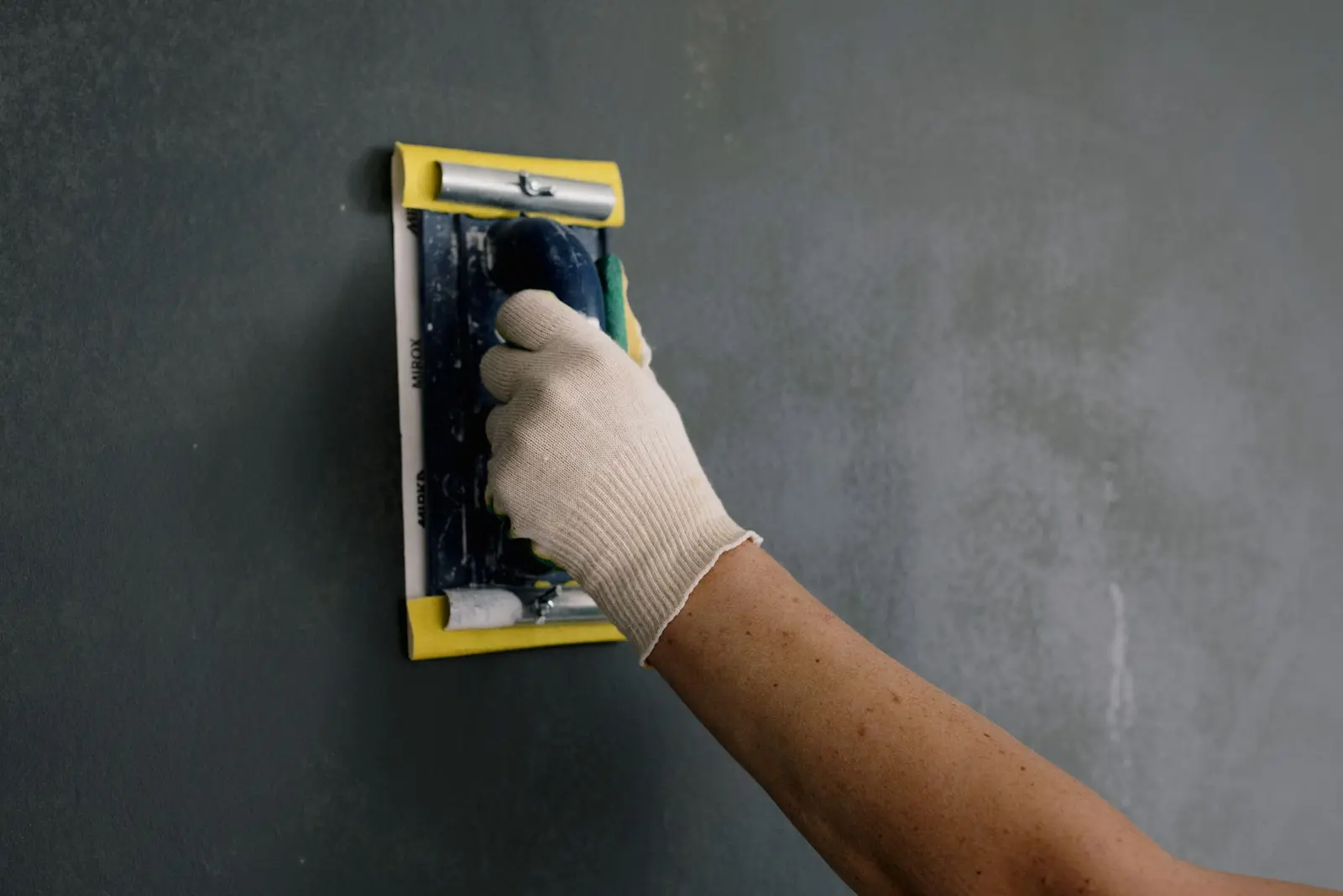
The job starts with paper or mesh tape pressed into a first coat of joint compound along every seam. Screw heads are filled, corners are covered, and then additional coats are applied wider each time so the edge of the seam tapers into the wall. After the last coat is dry, the whole surface is sanded and dusted so it is ready for primer.
The goal is a surface where light hits evenly and nothing casts a shadow. We aim for the standard that works for flat paint on most walls, and for rooms with strong window light or glossy paint we talk about going further.
When taping and finishing is the right job
- New board has just been hung and the seams and screw heads are still bare
- You see ridges, bumps or visible seams after painting, and want them corrected
- A renovation moved walls and left joints that need to be tied into the existing surface
- Corners have chipped or cracked bead that needs replacing and finishing
- You want a smoother wall than your builder-grade finish before repainting
- A basement or garage conversion is moving from framing to something you can paint
What affects the cost of drywall finishing
Finishing is priced by time as much as by area, and several things change how much time a room needs:
- The finish level you want: a basic coat for storage areas versus a smooth wall for flat paint or strong light
- The number of seams and corners, which is higher in small, chopped-up rooms than in large open ones
- Ceiling height and the amount of overhead work
- Whether the whole surface gets a skim coat for an extra-smooth result
- Drying conditions, since cold or humid weather stretches the schedule
- Whether sanding dust needs extra protection in a lived-in home
How taping and finishing is done
Embed the tape
Tape goes into a bed of compound over every seam and is flattened so no air or excess is trapped under it. This is the coat that holds the joint together.
Fill screws and cover corners
Every screw dimple is filled and the inside and outside corners are coated, so none of the fasteners show through paint.
Apply second and third coats
Each later coat is wider and thinner than the one before, feathering the edge so the ridge disappears. Each has to dry fully before the next goes on.
Sand and check with a light
We sand the dried compound smooth and then run a bright light along the wall at a low angle, which exposes any flaw that paint would otherwise make obvious.
Dust off and prime
The wall is wiped clean and primed so the compound and the paper take paint evenly instead of showing a patchwork of sheens.
Why GS Drywall LLC for taping and finishing
Finishing is where patience pays. Jose has 11 years of taping and sanding behind him, and the work shows in the thin coats and the long sanding passes that other crews skip to finish faster.
We also warn you about the mess. Sanding drywall makes fine dust, and in a home people are living in that matters. Ask us how we will protect the rest of the house before the work starts.
We tape and finish walls and ceilings in Lindenwold and the nearby towns, including Lindenwold, NJ and West Berlin, NJ.
Drywall Taping & Finishing questions, answered
Why does drywall need three coats of compound?
Each coat is thin so it dries without cracking, and each one is wider than the last to feather the edge. Trying to do it in one thick coat leaves a ridge and a seam that shows.
How long between coats?
Standard compound often needs a day to dry, and humid weather can add time. Quick-setting compound hardens faster but is harder to sand, so the right choice depends on the job.
What is a Level 5 finish?
Drywall finish levels run from 0 to 5. Level 4 is common for walls that will be painted with flat paint. Level 5 adds a skim coat over the whole surface and is used where glossy paint or strong side light would show small flaws.
Do I need a skim coat?
Not usually. A skim coat is worth it on a wall with a lot of damage, texture to remove, or glossy finish plans. For most rooms, careful standard finishing is plenty.
How do you keep the dust under control?
Sanding creates fine dust, so we ask what you want to protect, close off doorways and clean up between passes. Tell us about HVAC or sensitive rooms before we start.
Related services
Want walls that look finished?
Prefer to talk? Call or text and ask for a free quote. Se habla español.